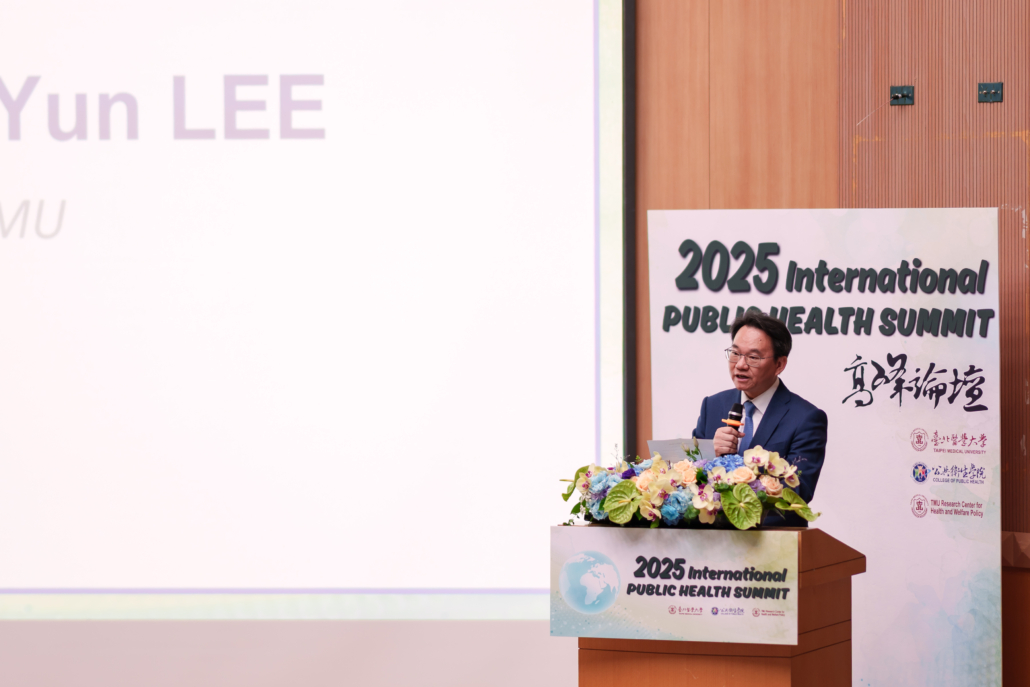
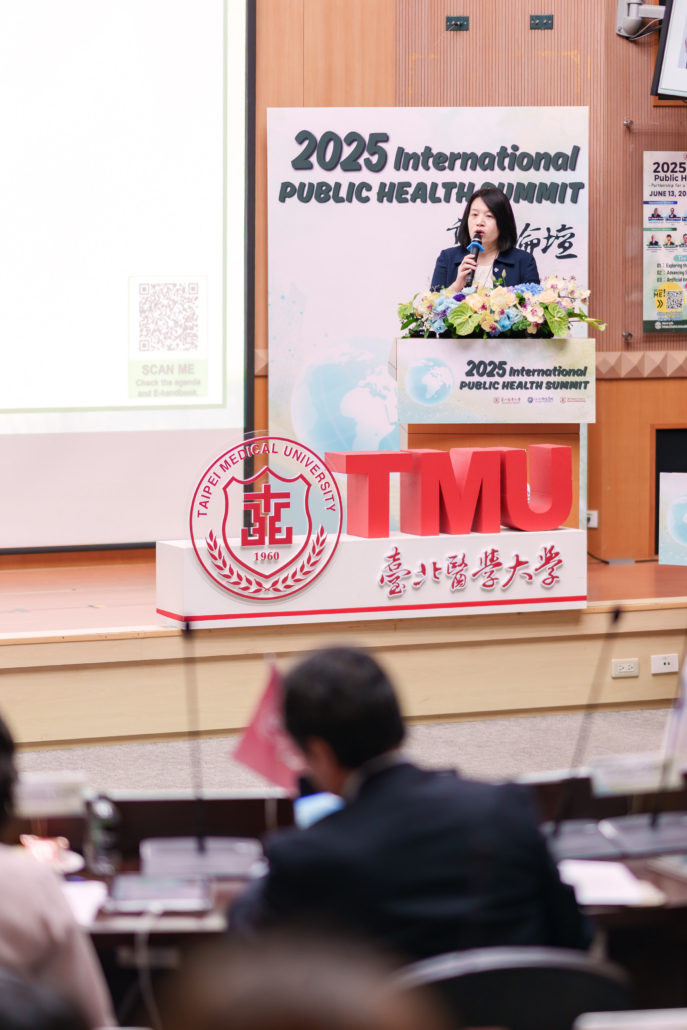
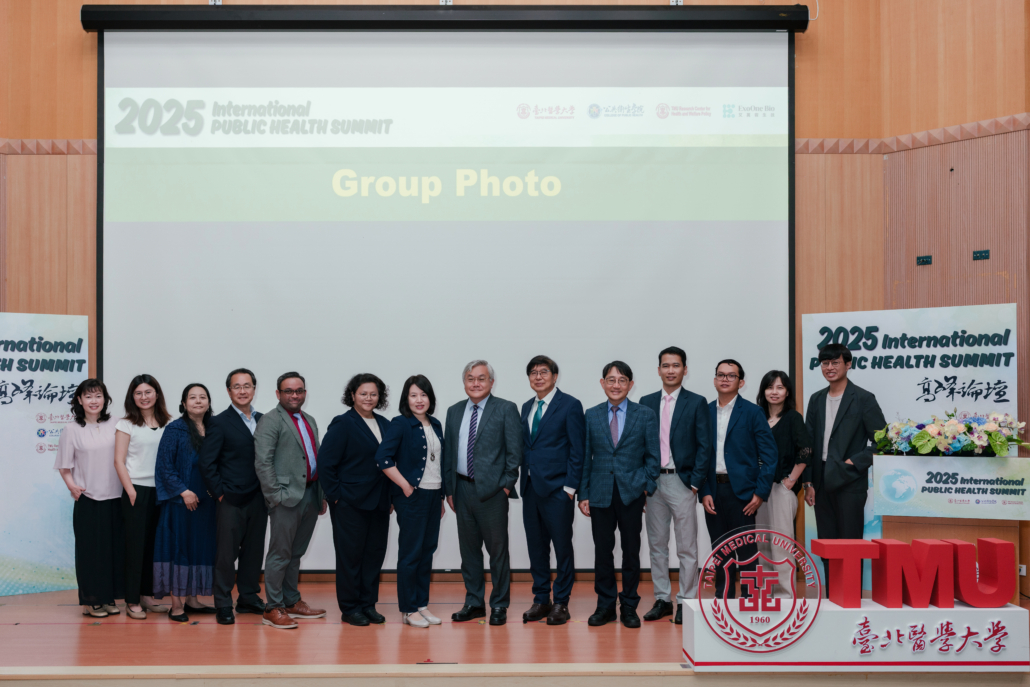
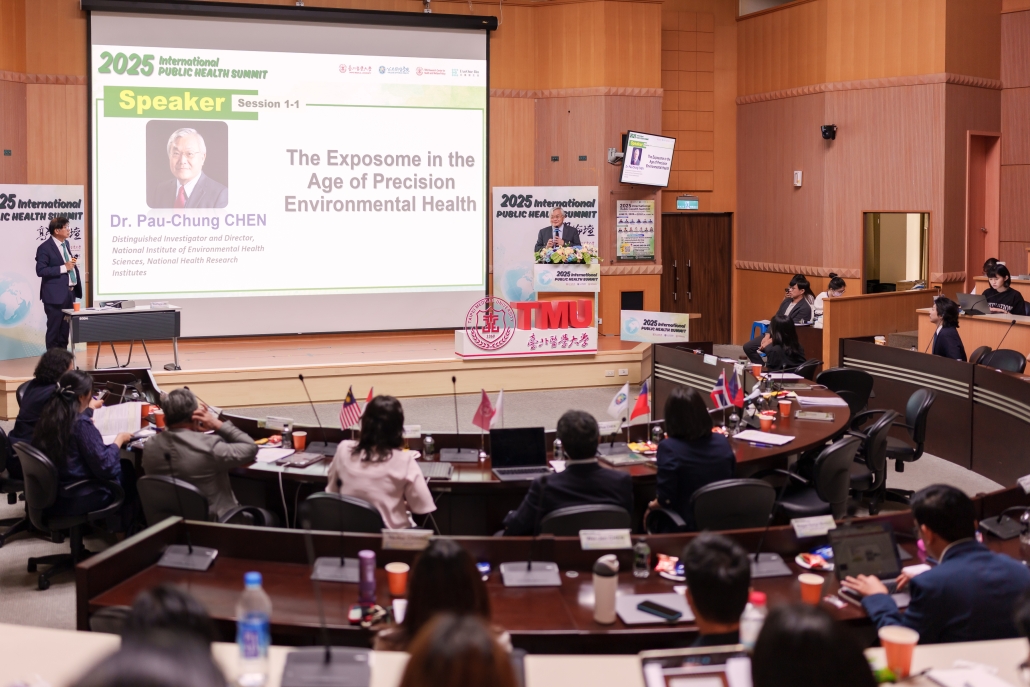
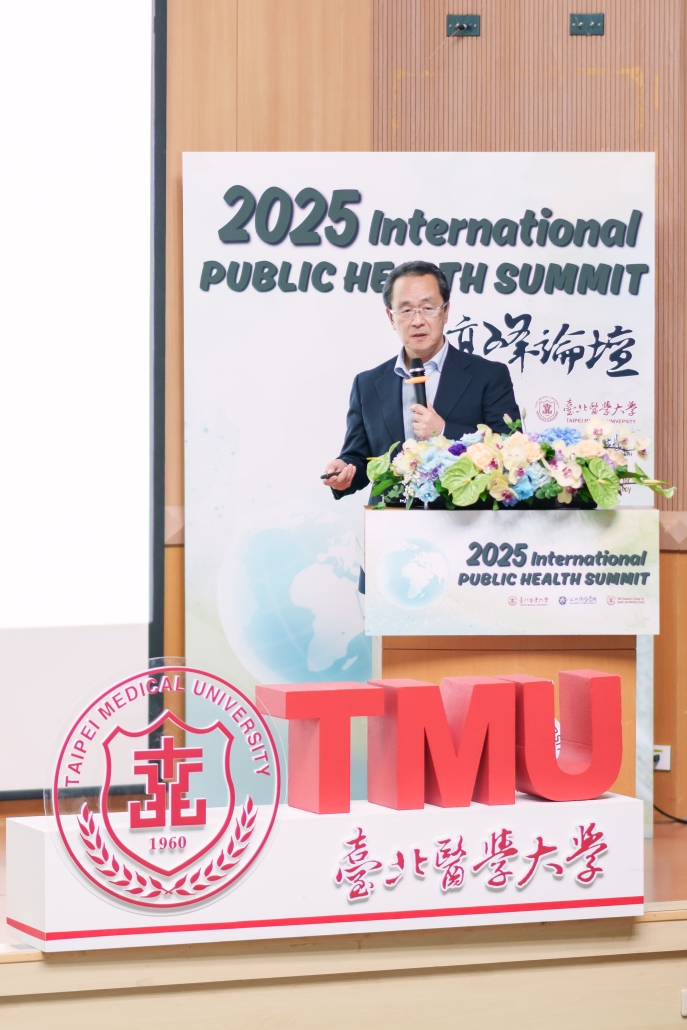
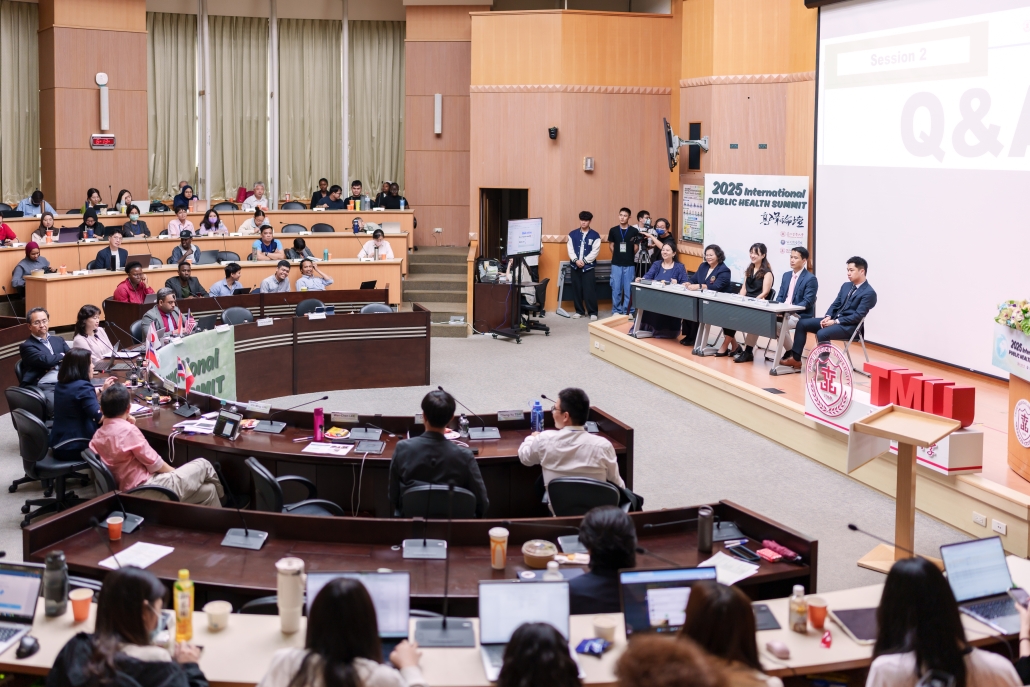
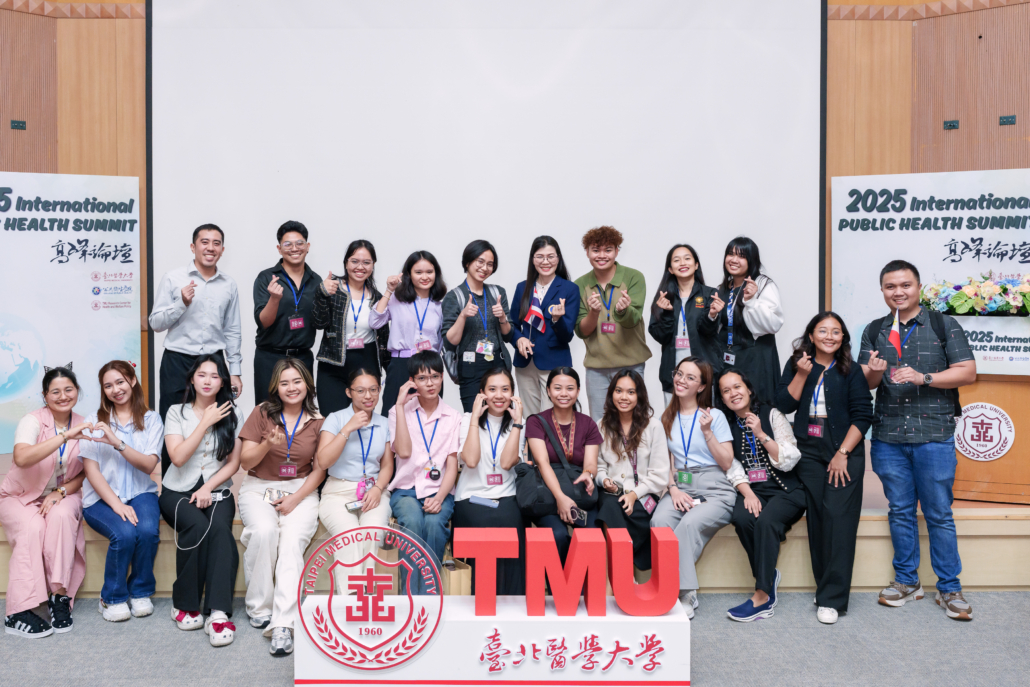
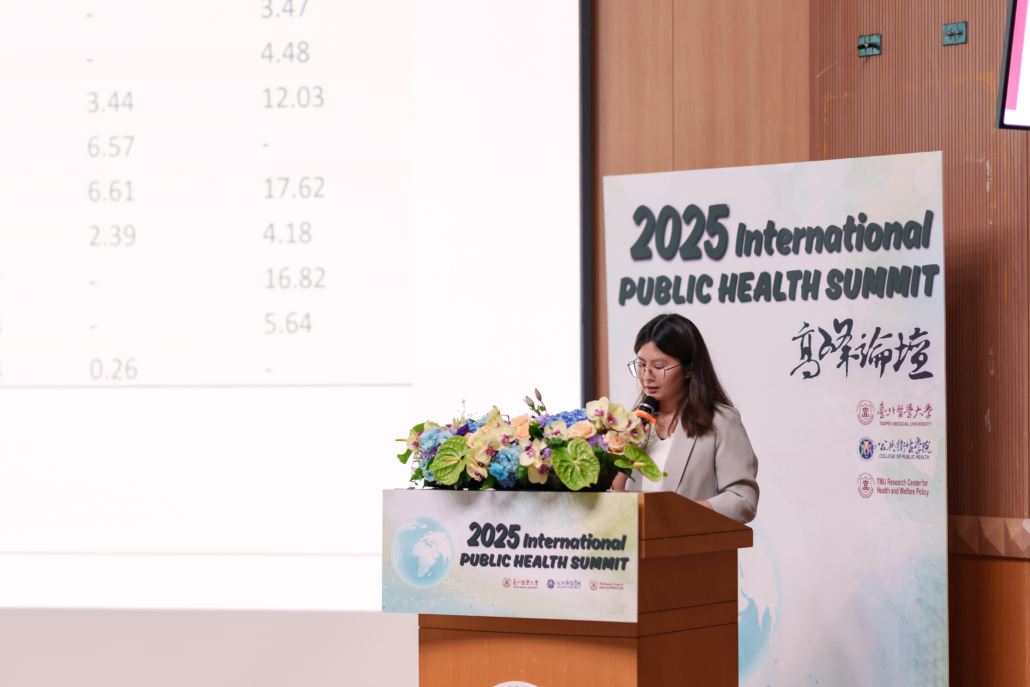
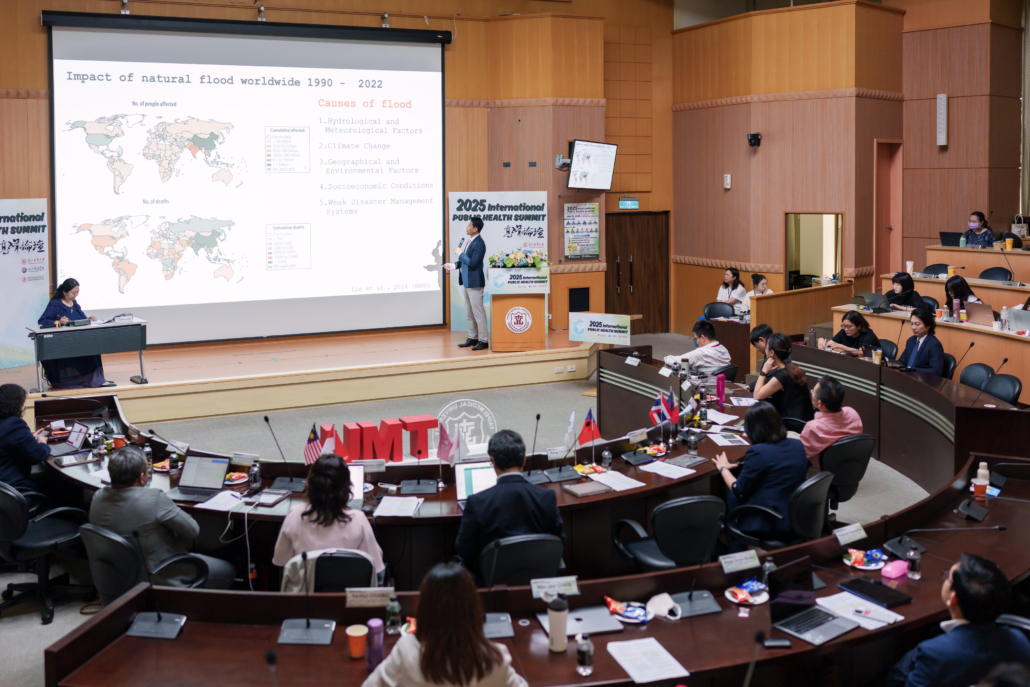
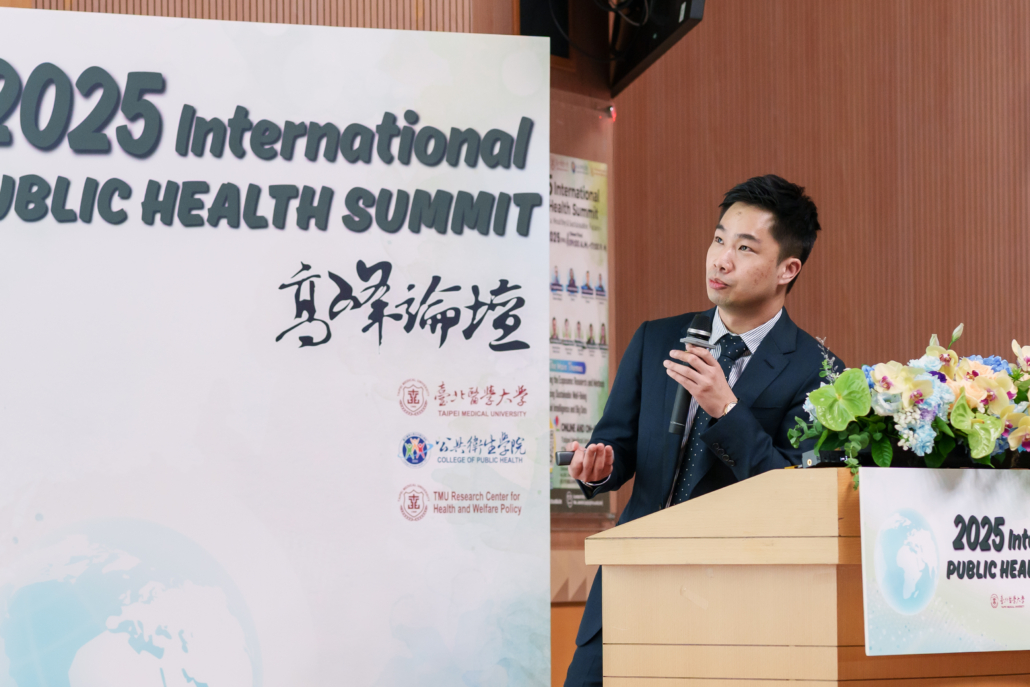
As health risks driven by climate change continue to escalate, the College of Public Health and the Research Center for Health and Welfare Policy at Taipei Medical University (TMU) hosted the “2025 International Public Health Summit” on June 13, 2025. Under the theme “Partnership for a Healthy & Sustainable Future,” the summit convened top scholars and experts from the United States, Japan, Thailand, Malaysia, and Indonesia to explore cross-disciplinary innovations and international collaborative strategies in public health.
The forum focused on three pivotal themes: “Exploring Exposome Research and Methodology,” “Advancing Health Sustainability and Migrant Worker Wellbeing,” and “Applications of AI and Big Data in Public Health.” These discussions highlighted health and sustainability as core values, emphasizing that public health is not only the first line of defense against health crises but also a crucial force in achieving Sustainable Development Goals (SDGs).
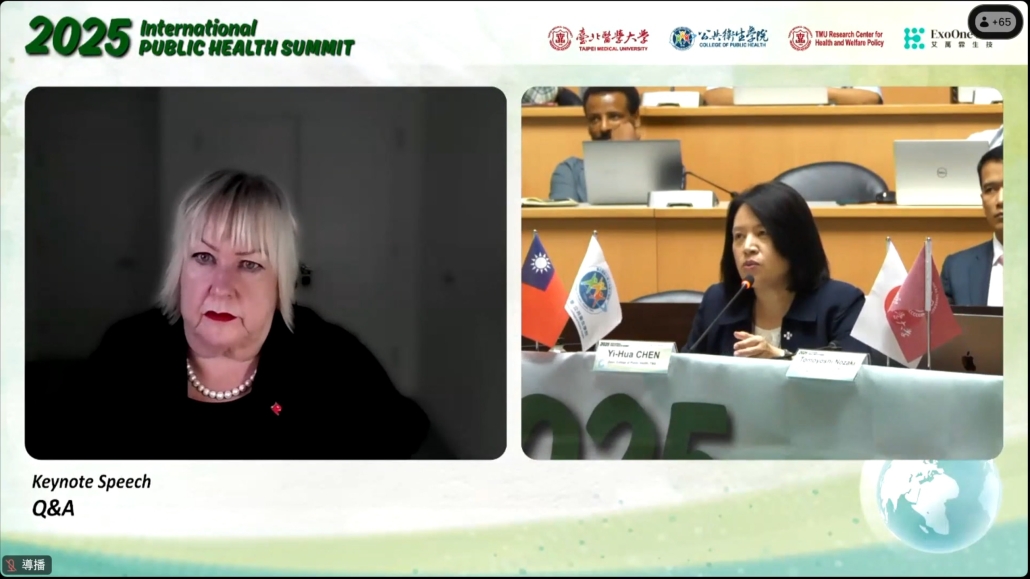
Conducted in a hybrid format (onsite and online), the event attracted 219 domestic and international scholars, experts, and students. This year’s summit featured Professor Wendy M. Purcell from Rutgers University as a keynote speaker. Her presentation, titled “Adopting a Health-Centered Response to Advancing Sustainable Development,” provided an in-depth analysis of driving sustainability through a health-centric lens while emphasizing the critical role of cross-sectoral governance. Professor Tomoyoshi Nozaki from the University of Tokyo shared his research on controlling infectious and neglected tropical diseases, showcasing proactive measures in health sustainability.
Morning Sessions: Environmental Exposure and Resilience
The morning sessions centered on the latest research and applications in environmental exposure. Distinguished Professor Pao-Chi Chiang, Director of the National Environmental Health Research Center (NHRI), analyzed how the “exposome” integrates genomic and environmental data. Professor Chih-Da Wu from National Cheng Kung University introduced the application of geospatial AI in predicting air pollution risks. Additionally, Dr. Syed Sharizman, Associate Dean at Universiti Malaysia Sabah, shared Malaysia’s experience in dengue fever prevention, stressing the importance of community engagement and sustainable strategies.
Afternoon Sessions: Wellbeing and Digital Innovation
The afternoon covered health wellbeing and digital applications. Professor Kwanjai Amnatsatsue from Mahidol University and Associate Professor Kraiwuth from Chulalongkorn University shared practical experiences in promoting migrant worker health and improving environments in high-risk areas. From the Taiwan perspective, Associate Professor Wan-Chen Lee (National Taiwan University) and Assistant Professor Wei-Jen Chen (TMU) discussed occupational safety for migrant workers and the impact of maternal exposure to nicotine, PAHs, and heavy metals on neonatal birth weight.
In the digital application segment, Assistant Professor Bagas from Universitas Gadjah Mada (Indonesia) demonstrated the value of AI in predicting diabetes risk for early intervention in developing countries. Professor Chi-Ming Chu from National Defense Medical Center showcased AI applications in policy evaluation and health service optimization based on National Health Insurance data. TMU researchers Assistant Professor Cheng-Yu Tsai and Assistant Professor Ya-Hui Chang presented innovative AI applications in transport health and safety, including abnormal driving behavior prediction, sleep apnea risk assessment for professional drivers, and the impact of traffic accidents during pregnancy on maternal and infant health.
Conclusion: A Resilient Future Through Collaboration
This summit underscores the proactive role of the TMU College of Public Health in international exchanges. By converging diverse global experiences and professional perspectives, TMU aims to address the challenges of climate change and health sustainability. Through knowledge sharing, institutional innovation, and transnational cooperation, the forum contributes to a more resilient, equitable, and sustainable global health system.