Beyond Functional Recovery: TMU Strategy Training Helps Stroke Survivors Reclaim Everyday Life
Participation-focused rehabilitation helps stroke survivors with cognitive impairments develop problem-solving strategies to return to meaningful roles at home and in the community.
For many stroke survivors, being able to walk, dress, or eat independently does not necessarily mean that life has returned to normal. Even after physical recovery, cognitive difficulties can make it challenging to manage household responsibilities, return to work, go shopping, use public transportation, or reconnect with family and friends.
A research team led by Professor Feng-Hang Chang of the Graduate Institute of Injury Prevention and Control, College of Public Health, Taipei Medical University (TMU), has been working to bridge this gap by shifting the focus of stroke rehabilitation from restoring individual functions to helping people participate meaningfully in everyday life.
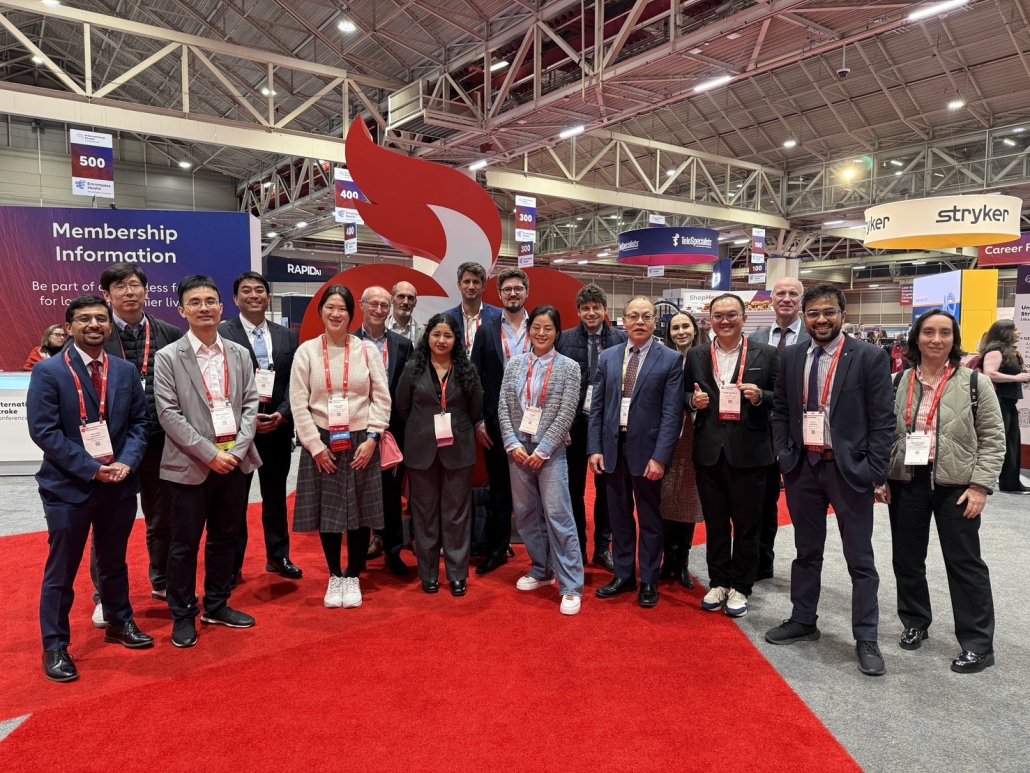
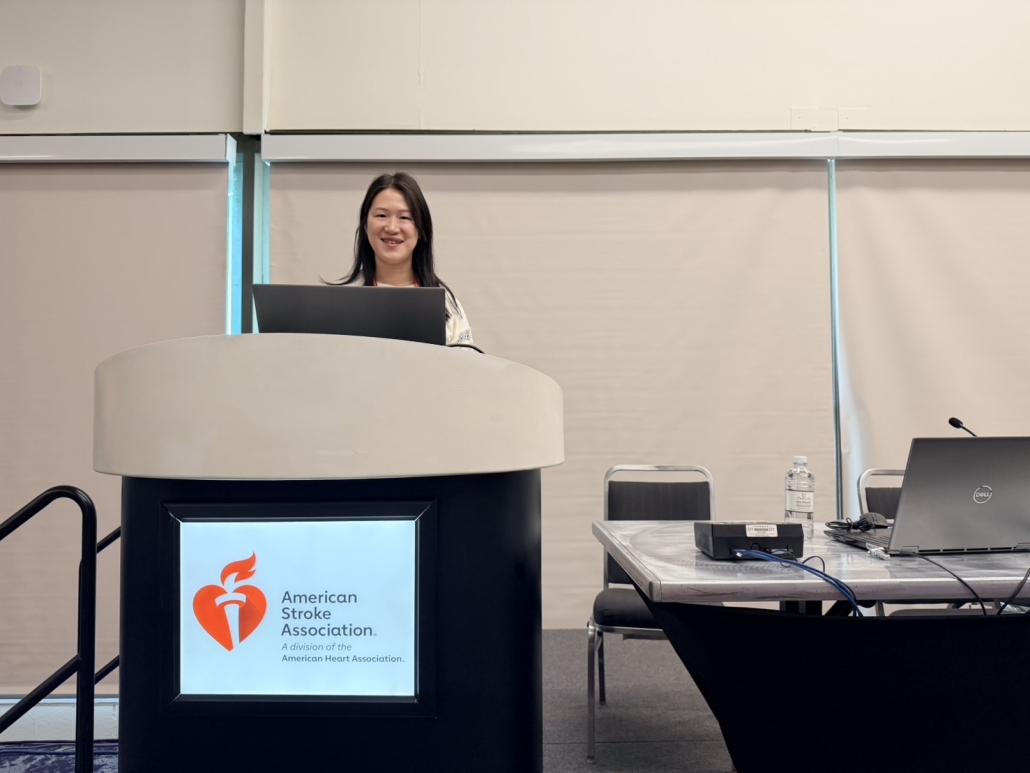
The team’s research was presented at the American Heart Association’s International Stroke Conference 2026, where Professor Chang received the Paul Dudley White International Scholar Award, bringing international recognition to TMU’s work in participation-focused stroke rehabilitation.
When Recovery Does Not Mean Returning to Life
Cognitive impairments after stroke are not always visible. A person may know what needs to be done but struggle to decide where to begin. When something goes wrong, it may be difficult to change the original plan. Even after completing a task, the person may not recognize which step caused the problem.
These difficulties are often related to executive functions—the cognitive abilities involved in planning, problem-solving, self-monitoring, and adjusting behavior. Such challenges can have a profound impact on whether stroke survivors are able to resume their previous roles at home, at work, and in the community.
For Professor Chang’s team, this raises a fundamental question in rehabilitation: beyond asking whether patients can perform a task, how can rehabilitation help them return to the activities and roles that are important to their lives?
Teaching Patients How to Find Their Own Solutions
To address this challenge, the team developed Optimizing Participation after Stroke through Strategy Training (OPASS), a rehabilitation program centered on goals selected by stroke survivors themselves.
Rather than simply telling patients what to do, therapists help them identify meaningful goals—such as preparing a meal, shopping independently, taking public transportation, returning to work, participating in family activities, or meeting friends again.
Patients then learn to identify what is preventing them from reaching those goals, develop possible strategies, try them in real-life activities, evaluate what worked, and adjust their approach when necessary. Through repeated practice, they learn a problem-solving process that can potentially be applied to new situations beyond the rehabilitation setting.
The goal is not simply to teach patients how to complete one particular task, but to help them develop strategies for approaching the many challenges that arise in everyday life.
Strategy Training Improves Participation After Stroke
The research team conducted a multicenter randomized controlled trial involving 195 community-dwelling stroke survivors with cognitive impairments recruited from six hospitals in northern Taiwan. Participants received either OPASS or a dose-matched control intervention.
The study found that stroke survivors who received strategy training showed greater improvements in productivity and social participation immediately after the intervention than those receiving the control intervention.
Importantly, productivity extends beyond paid employment. It includes household responsibilities, caregiving, and other activities through which people fulfill meaningful roles. Social participation includes interactions with family and friends as well as involvement in social and community activities.
A subsequent analysis also found that OPASS produced immediate improvements in an aspect of executive function involving working memory and cognitive flexibility, suggesting that practicing problem-solving within meaningful everyday activities may influence not only what patients do, but also some of the cognitive processes supporting their performance.
Bringing Rehabilitation Back Into Everyday Life
The findings support a broader view of stroke recovery. Improvements in movement and cognition remain important, but their ultimate value lies in whether they enable people to resume the activities, relationships, and responsibilities that give meaning to everyday life.
The TMU research team is now extending strategy training to other rehabilitation contexts, including approaches that involve family members and caregivers. By bringing rehabilitation beyond the clinic and into the environments where people actually live, the team hopes to help more stroke survivors translate gains made during therapy into lasting changes in daily life.
Through this work, TMU is contributing to an evolving model of stroke rehabilitation—one in which the endpoint of recovery is not simply regaining function, but reclaiming life.
Look for More Information
Original Article
Enhancing Societal Participation for Stroke Survivors With Cognitive Impairments: A Randomized Controlled Trial
Journal of the American Heart Association, 2025;14:e042295.
Published article
Related Article
Effect of Participation-Focused Strategy Training on Post-Stroke Cognitive Functions and Quality of Life: Results from a Randomized Trial
Annals of Physical and Rehabilitation Medicine, 2026;69(5):102116.
Published article
Keywords: Stroke Rehabilitation; Cognitive Impairment; Strategy Training; Social Participation; Executive Function
Author Profile:
Feng-Hang Chang, ScD, OTR/L, Professor, Graduate Institute of Injury Prevention and Control, College of Public Health, Taipei Medical University